

Unlocking Gut Repair: How resistant starches strengthen your colon and your microbiome
What if there was a way to support your gut lining and colon health that didn’t require a drastic diet overhaul or expensive supplements?
Over the past few years, the conversation around gut health has grown, but the focus is often on probiotics or the latest superfood. Yet, one of the most powerful tools for gut repair is something you may already have in your kitchen: resistant starches. These unique carbohydrates don’t get fully digested in the small intestine—instead, they travel to the colon, where they become food for our beneficial gut bacteria.
Why does this matter? The health of our colon—and specifically the integrity of the gut lining—depends on a thriving microbiome. When we feed our gut bacteria with the right foods, they produce compounds like short-chain fatty acids (especially butyrate) that help to strengthen the gut barrier, reduce inflammation, and even support healing of a “leaky gut.” To be clear, while “leaky gut” isn’t a formal diagnosis, more research is connecting gut permeability to symptoms like bloating, food sensitivities, and even some autoimmune conditions.
Resistant starches act as prebiotics, meaning they feed our good bacteria. When these bacteria ferment resistant starch, they produce butyrate—a key player in repairing and maintaining the colon lining. A healthy colon is less likely to become inflamed or allow unwanted substances to pass into the bloodstream. This is why including resistant starches in your diet can be a simple, evidence-based step towards better digestive health.
Butyrate doesn’t just benefit your gut—it’s also linked to how you feel. Research has shown that people with higher levels of certain butyrate-producing bacteria, like Faecalibacterium and Coprococcus, tend to report a better quality of life. On the other hand, lower amounts of these helpful bacteria have been observed in people experiencing depression, and another butyrate-producer, Fusicatenibacter saccharivorans, has been found in lower levels among those with anxiety and depression. All of this points to a growing understanding that the gut microbiome plays a big role in our mood and mental health, with butyrate as a key player. Scientists are even exploring how butyrate might support brain health by influencing important proteins that help our brain cells grow and stay healthy.
At this point, you might be wondering: what foods are actually high in resistant starch, and how can you easily add them to your daily meals?
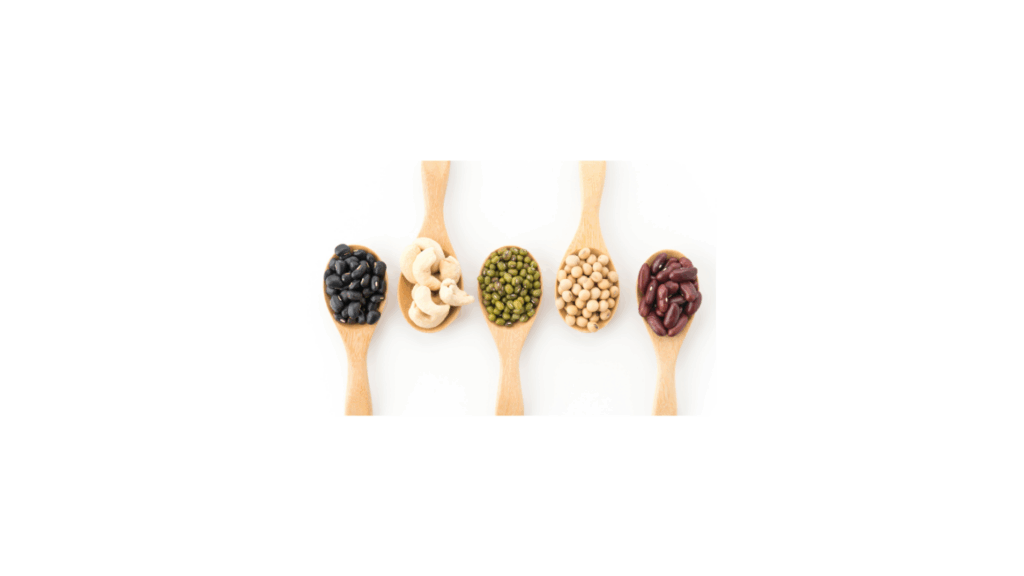
Think cooked and cooled potatoes, green bananas, lentils, beans, and whole grains. Even pasta and rice, when cooked and then cooled, develop more resistant starch. You may never look at leftovers as a dull option again! Leftover boiled potatoes, rice, or even a slice of lasagna from last night’s dinner can actually be a secret weapon for your gut.
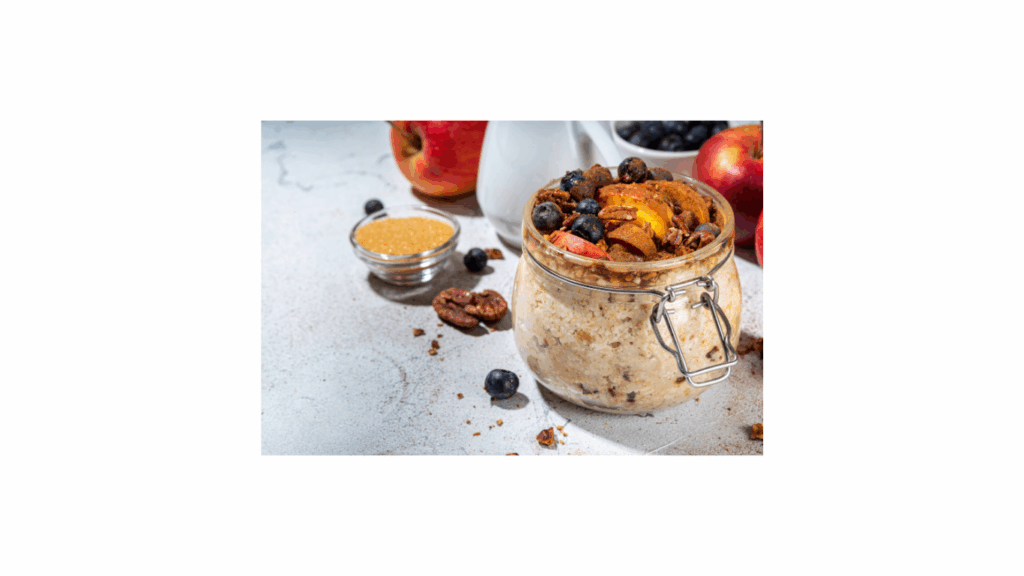
When these foods are cooked and then cooled, their resistant starch content increases—making them even better for your microbiome. Try tossing cold potato cubes, cooled lentils into a salad, reheating that extra rice for a quick stir-fry, or simply enjoying your favorite pasta bake the next day. Enjoy overnight oats, or batch-cook potatoes, grains and legumes before using them in meals. Embracing leftovers is not only convenient and budget-friendly, but it’s also a smart way to nourish your gut.
Just a quick reminder: always practice safe cooling and reheating methods to keep your meals delicious and safe to eat.
The more diverse your plant intake, the better—for both your microbiome and gut lining. If you recall from my previous post on the American Gut Project, people eating 30+ different plants each week had a much healthier microbiome than those eating fewer than 10.
Have you noticed a difference after adding more resistant starches to your meals? Or are you curious about which foods work best for you? I always appreciate your questions and stories—just reply to this email, and let’s keep the conversation going.
Medical Disclaimer
The information contained herein is NOT intended as medical advice, nor is it intended to replace the care of a qualified health professional. The information on this subject is constantly evolving and is subject to change. Always consult your doctor for all diagnoses, treatments, and cures for any diseases or conditions, as well as before changing your diet, taking supplements or making any changes to your health care regimen.